
Your vote is your voice: Get Loud!
This week I’ve been participating in Blueprint NC's Midterm Convergence in Wilmington, where I have shared insights from NCCJC's civic engagement work and caught up with partner organizations from across our state.
As a community organizer and former Kinston City Council member, I know that voting is one way we can make our voices heard – and that our power does not begin or end on Election Day. Lasting change happens when people come together, build real relationships, organize around the issues that matter to them, and hold those elected to serve us accountable!
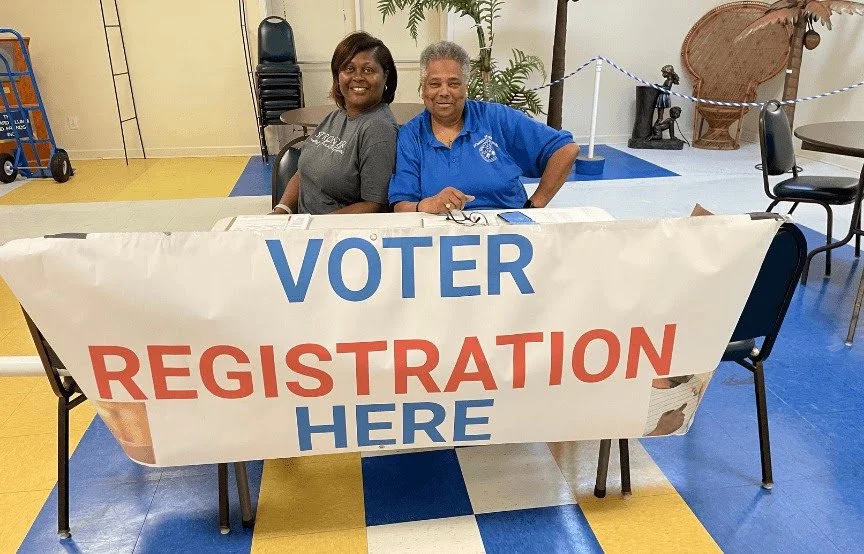
Ms. Kristal Suggs (NCCJC's Director of Civic & Community Engagement) and Larsene Taylor, a leader with the Down East Resiliency Organizing Hub, at a voter registration event in Goldsboro.
Civic engagement, 365 days a year!
Across North Carolina, communities are facing challenges that must not be ignored. The ongoing impacts of climate disasters and environmental injustices, skyrocketing food and energy costs, inadequate infrastructure, housing instability, threats to public health, and lack of opportunity are not experienced equally. Too often, the people who are first and worst impacted by these issues are the people with the least power in the decisions that affect their lives.
Our communities deserve elected leaders who will: listen to the people they represent; invest in local economies to create real climate solutions; protect our air, land and water; strengthen our neighborhoods; and address the disparities that continue to constrain people's lives.
That's why NCCJC runs civic engagement programming all year long in partnership with our eight regional Resiliency Organizing Hubs. We talk with our neighbors about the connections between kitchen table issues and climate change, we amplify their voices in public spaces, we meet with elected officials to share our concerns and solutions, and we help people get to the polls to vote when the time comes.
NCCJC's civic engagement and organizing work reminds elected officials that their responsibility is not simply to win an election, but to serve the people. We want them to know our communities are paying attention and we expect action on the issues that affect our everyday lives.
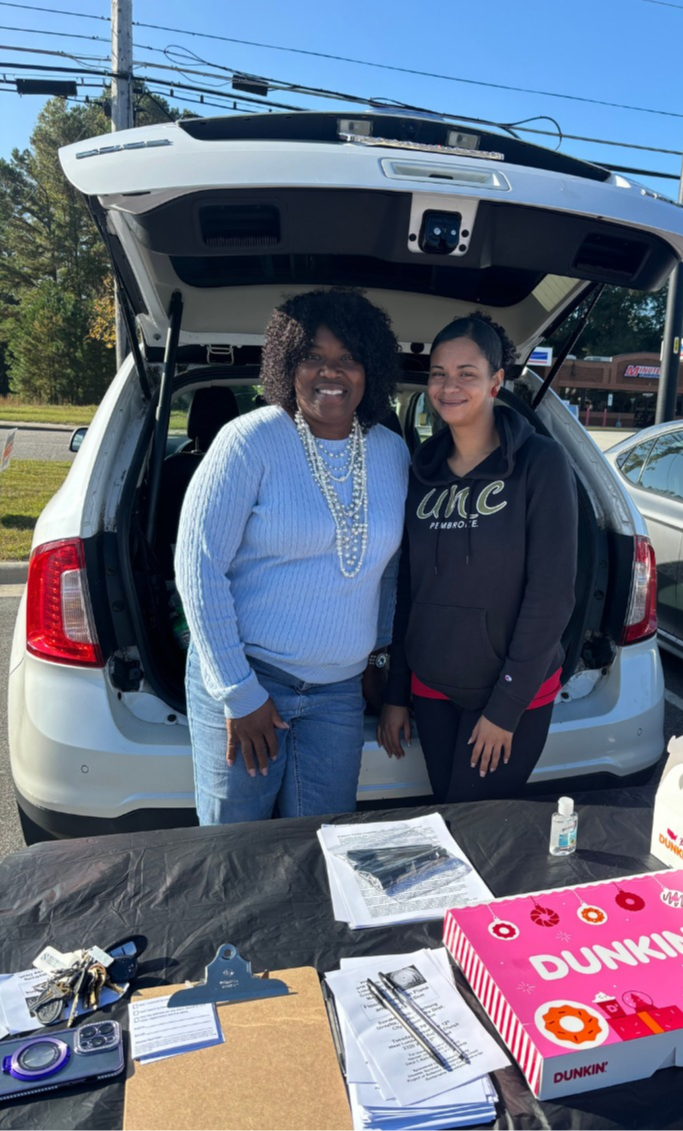
“Over the past election cycles, in partnership with Resiliency Organizing Hub Anchors, our [NCCJC] non-partisan Get Out The Vote efforts have focused on creating opportunities for people to engage, ask questions, and feel more informed and prepared to participate in the election… We have been able to meet people where they are and have meaningful conversations about the importance of voting and civic participation.”
- Carol T. Richardson, Robeson County Cooperative for Sustainable Development
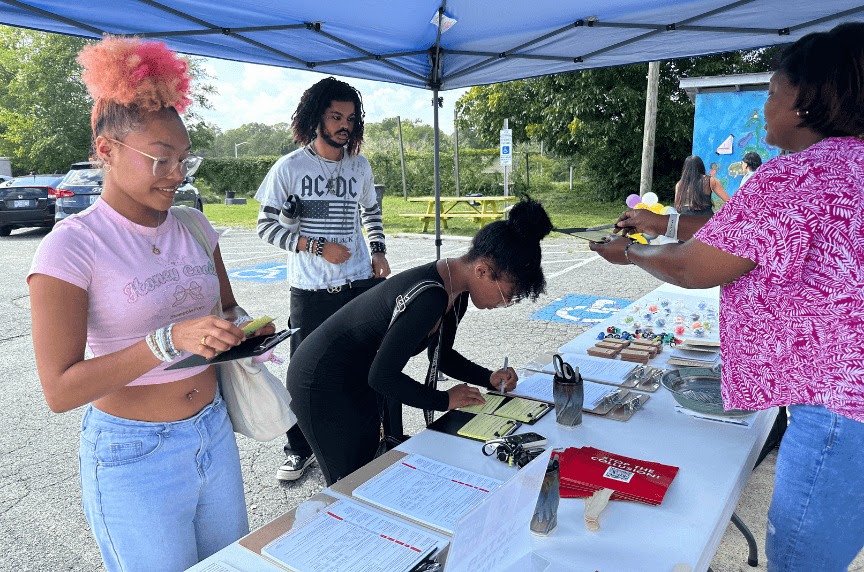
NCCJC utilizes voter pledge cards to help stay in touch with folks year-round.
Countdown to Election Day
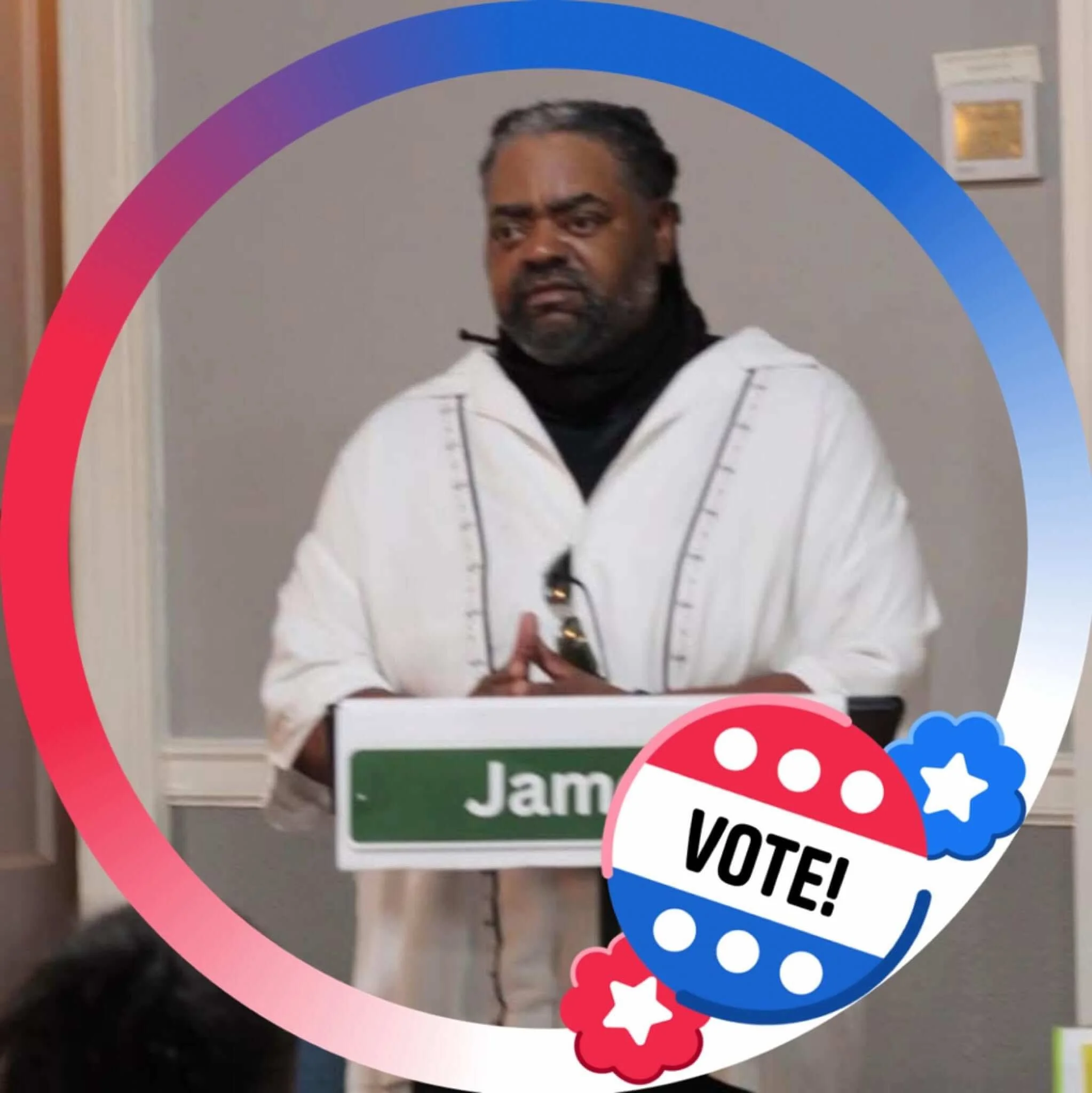
“As we continue the Countdown Till Election Day, we will build on this momentum by continuing to knock doors, have conversations, share voter information, encourage people to make a voting plan, and create opportunities for community members to participate.”
-Jeff Burden, NCCJC Hubs Fellow with Down East Coal Ash Environmental and Social Justice Coalition
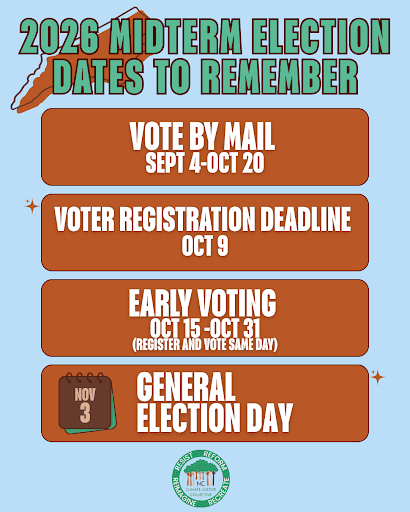
So this election season, let's do more than cast a ballot.
Let's talk to our neighbors.
Let's share information.
Let's help one another make a plan to vote.
Let's organize around the issues that matter.
Let's ask candidates where they stand.
Let's hold elected officials accountable after Election Day.
And let's continue building the grassroots power our communities need to create lasting change.
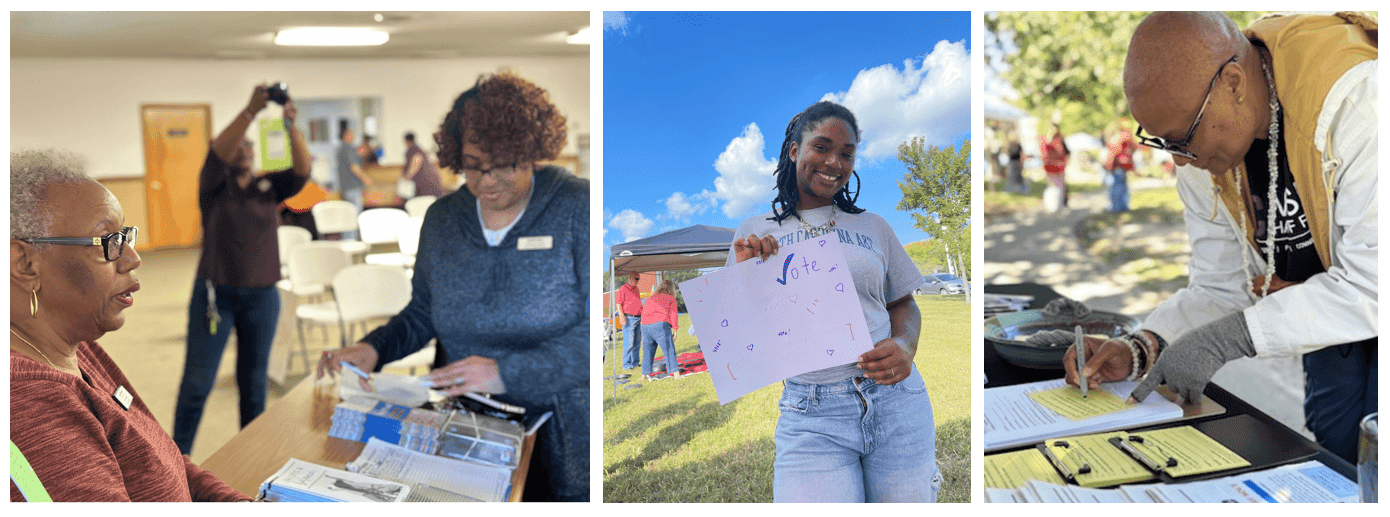
At NCCJC, civic engagement work is an intergenerational affair!
Nonpartisan North Carolina Voting Guide
This guide was produced by Disability Rights NC, Democracy NC, Common Cause, El Pueblo and other nonprofit groups.
CHECK REGISTRATION. Use this link to see your registration status or register at your home address, even if it’s a dorm or nursing home. If your registration status says you are “Inactive,” call the Hotline (888-OUR-VOTE) to learn if you need to do something before you vote.
VOTER ID. You need a photo ID to vote in person or by mail, with some exceptions Your N.C. driver’s license is good even if the address is old; many student IDs work. See more at ncvoter.org/ID. If you don’t have an acceptable ID, ask the poll worker for an ID EXCEPTION FORM.
PREVIEW YOUR BALLOT. Learn about the candidates from ncvoter.org/guide,
vote411.org and other sources. Take a list of your choices on paper or on your phone when you vote.
QUESTIONS? Call or text the Hotline: 888-OUR-VOTE [888-687-8683]
